Concrete work in San Gabriel
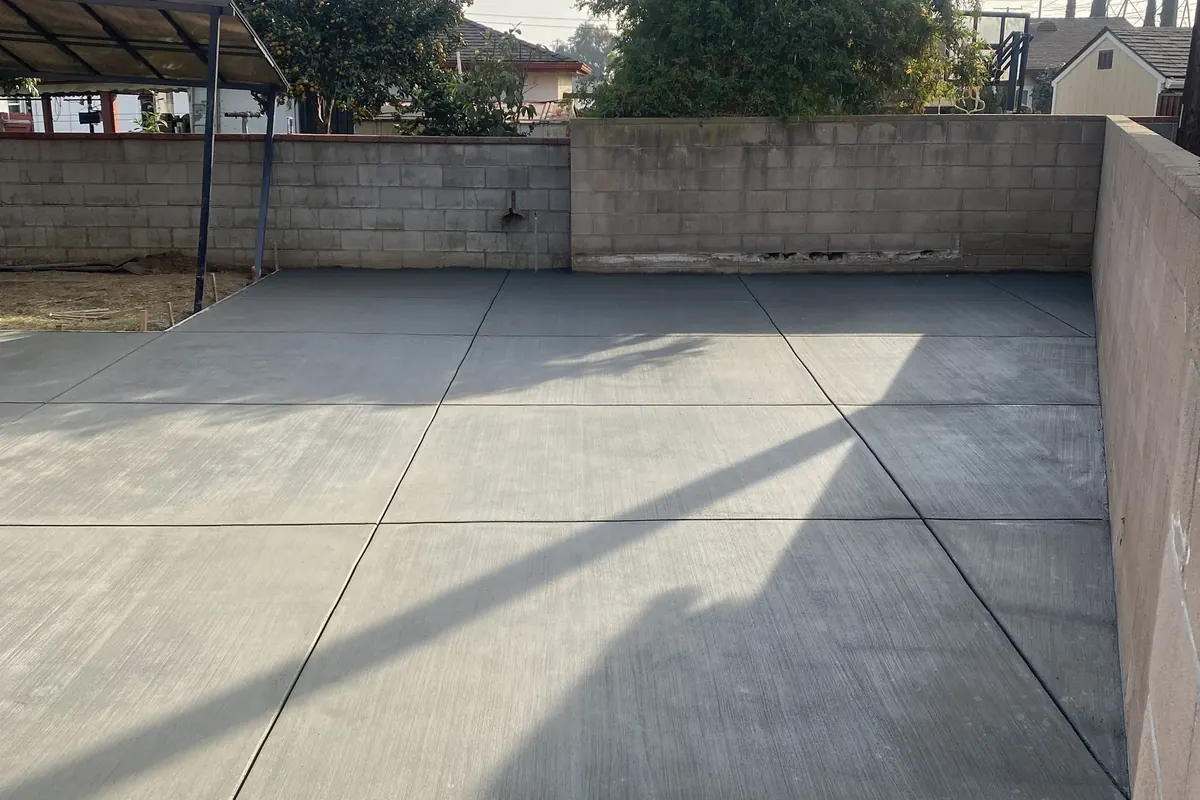
San Gabriel dates its founding to 1771, when the mission was established; it moved to its present site in 1776 after a flood. The city incorporated on April 24, 1913, covers 4.15 square miles at about 420 feet of elevation, and had 39,568 residents in 2020. The blocks around the mission have their own Mission District Specific Plan. Most concrete work here is residential: a drive to the garage, a front walk, a backyard patio, a low wall.
San Gabriel permits: what's exempt and what isn't
San Gabriel publishes a handout on when permits are not required, and several lines in it are concrete jobs.
| Work | Building permit? | Still applies |
|---|---|---|
| Driveway, sidewalk or walkway up to 30 in above adjacent grade | Not required | Setback, lot coverage and height rules |
| Retaining wall up to 4 ft from the bottom of the footing, no surcharge | Not required | The wall and fence permit line below |
| Building a wall or fence, any height | Permit required | Front yard height and setback limits |
| Approach, curb or sidewalk in the public right-of-way | Engineering Division permit | Public Works, 917 E Grand Ave |
Swipe the table sideways to see every column →
From the City of San Gabriel handout 'When Permits are not Required' and its Permits page, read October 2026. Building and Safety: 425 S Mission Dr, 626-308-2806. Public Works: 626-308-2825. Fees weren't confirmed; ask the city.
Driveway width, walkways and lot coverage
Ordinance 601-C.S. (2013) set the numbers most San Gabriel concrete jobs are designed around. A driveway from the street to the garage may be no more than 12 feet wide, or 20 feet when the garage sits at the front of the house with its door parallel to the street. Walkways from the sidewalk or driveway to the front door stay within 42 inches, and parking areas are not allowed in the required front yard.
Why a patio counts against the house
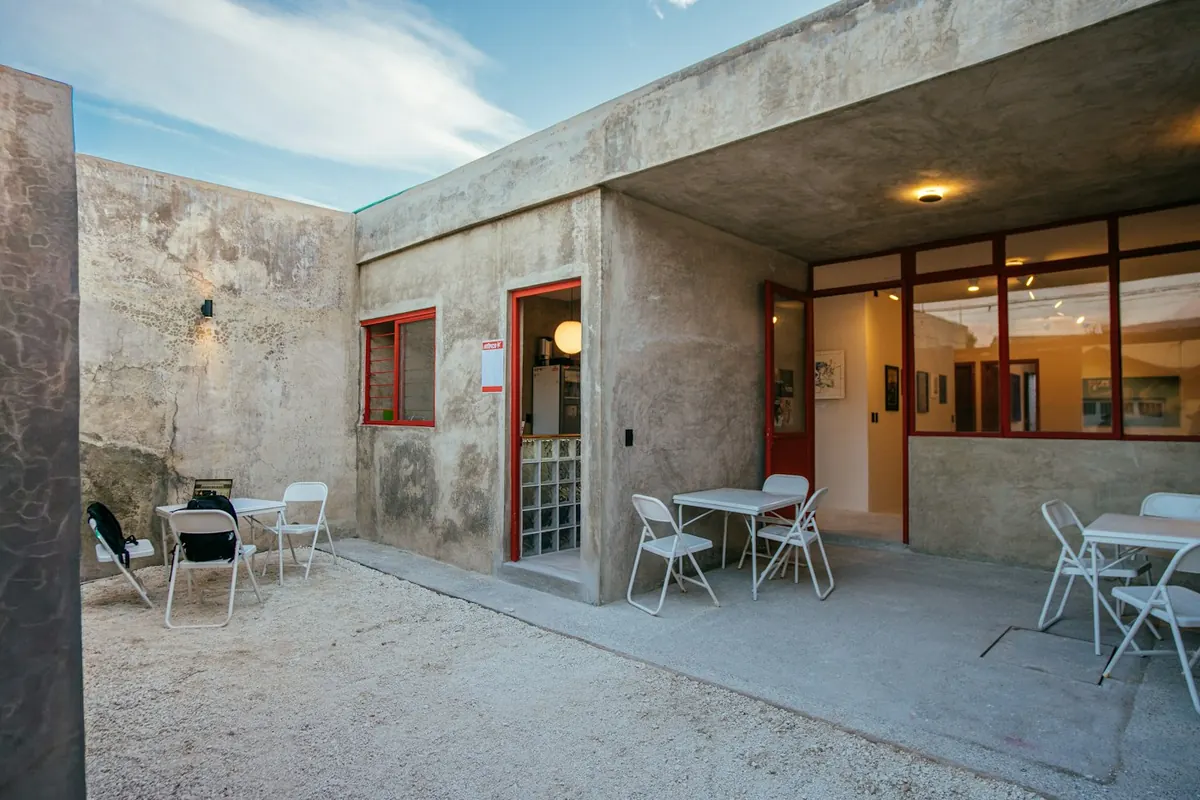
Under section 153.042, covered and uncovered patios, and paved surfaces wider than 42 inches, count toward lot coverage, capped at 35 percent in the R-1 zone. A big backyard concrete patio competes with the house and garage for that 35 percent, so add up the footprint before choosing a size. Permeable paving or gravel can cover no more than 15 percent of the area required to be landscaped. Front walls top out at 4 feet and sit at least 30 inches back from the front property line.
Design review and the historic register
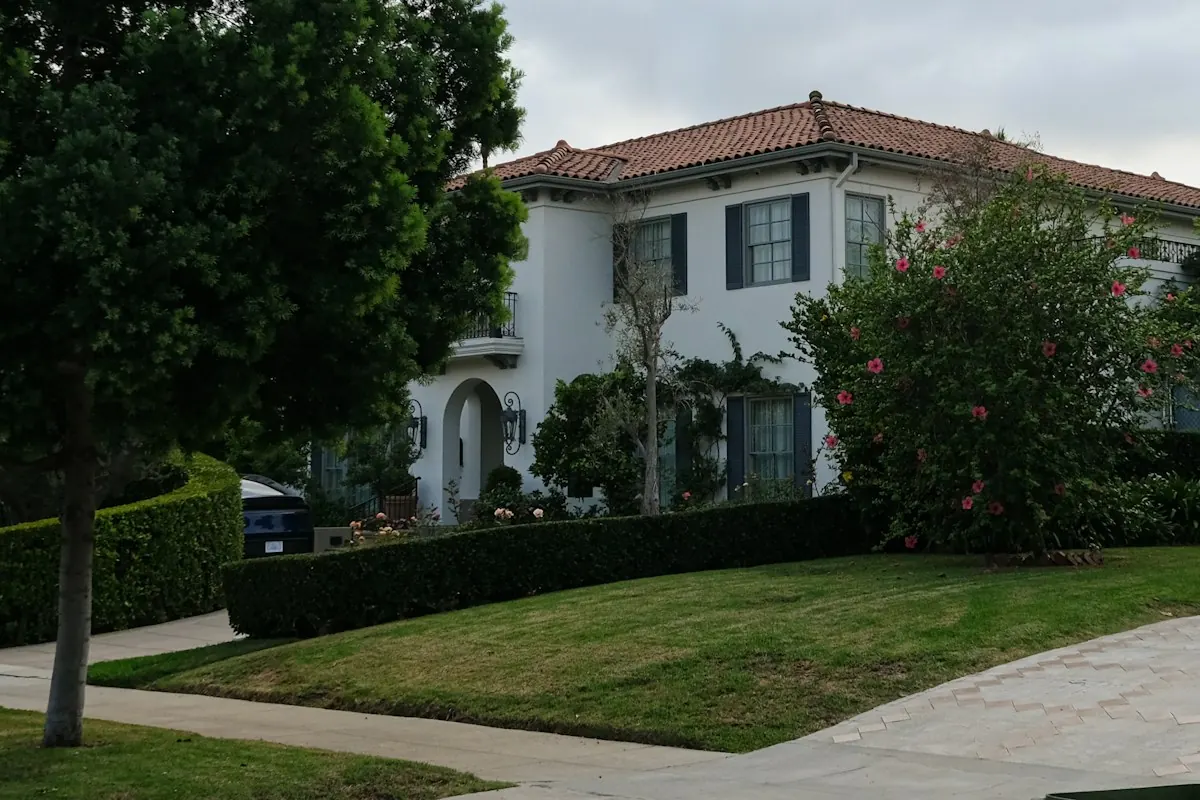
San Gabriel's Design Review Commission reviews new houses and second-story additions to one-story homes; first-floor additions go to staff. Properties on the city's historic register need an Initial Review for Historic Appropriateness for proposed alterations under section 153.614, and a citywide historic resources survey ran from 2022 to 2025. If a house is listed, ask Planning before changing its front walk or driveway. The historic district guide covers the same question for Pasadena.
Parkway trees and job-site runoff
The trees between the sidewalk and the curb belong to the city, so an approach or walkway near one starts with a call to Public Works. San Gabriel's stormwater page asks that projects be sandbagged at least two bags high, which matters on pour day, when washout and slurry must stay out of the gutter. The sidewalk and street tree guide explains root damage and repairs.
Concrete prices for San Gabriel
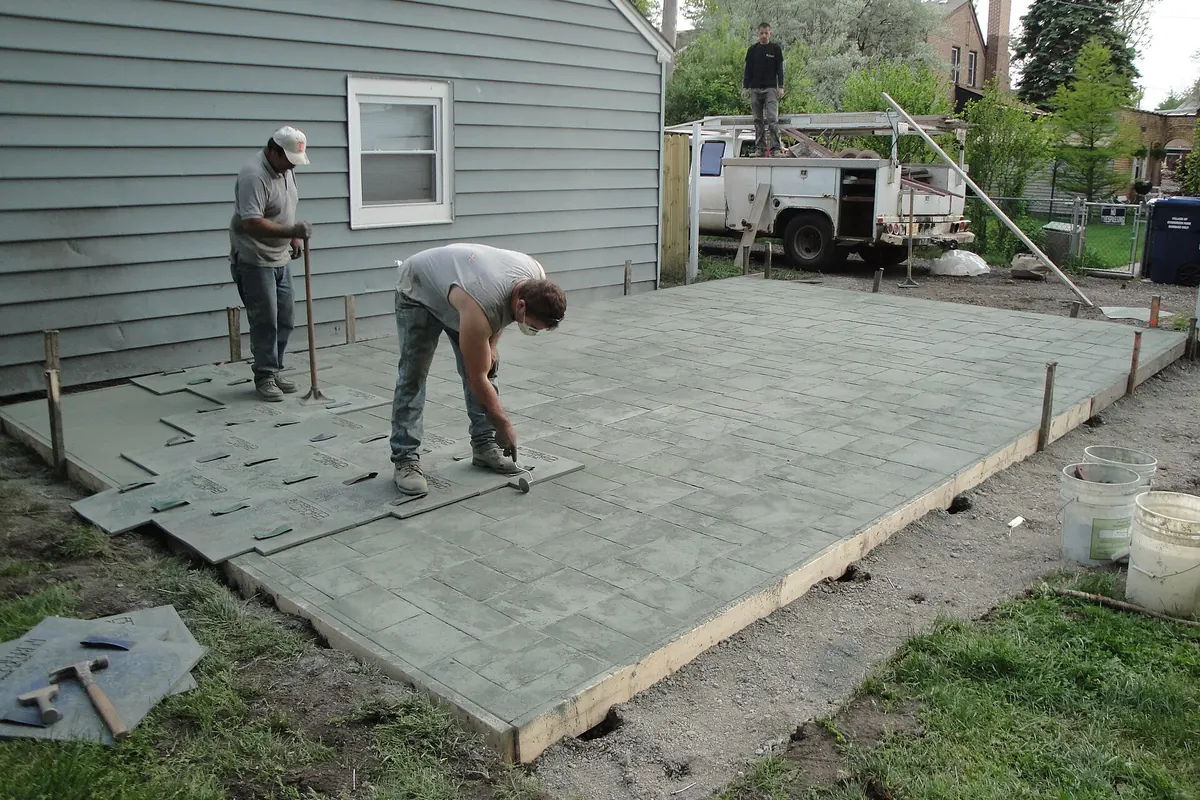
San Gabriel sits in the Los Angeles price market. constructlytools (updated May 19, 2026) gives $8 to $15 per square foot for reinforced driveways, patios and walks, $8 to $12 for a plain broom slab and $15 to $20 for stamped concrete; choosing broom over stamped saves $4 to $8 a foot. Permits, demolition and a pump truck are extra. The patio cost page has sizes.