Last reviewed October 2026.
Historic district rules that reach a driveway
Pasadena protects historic buildings and whole neighborhoods, and its rules reach past the house to what surrounds it. Pasadena Municipal Code section 17.62.090(B)(1) requires a Certificate of Appropriateness for most exterior alterations to a designated or eligible historic resource outside the Central District. Depending on the project, the Director of Planning or the Historic Preservation Commission reviews it.
Concrete work changes the face of a property more than people expect. A widened driveway, a new front walk in a different place, or stamped concrete replacing a plain walk all change what someone sees from the street, which is exactly what the review is for.
Bungalow Heaven: the example most owners mean
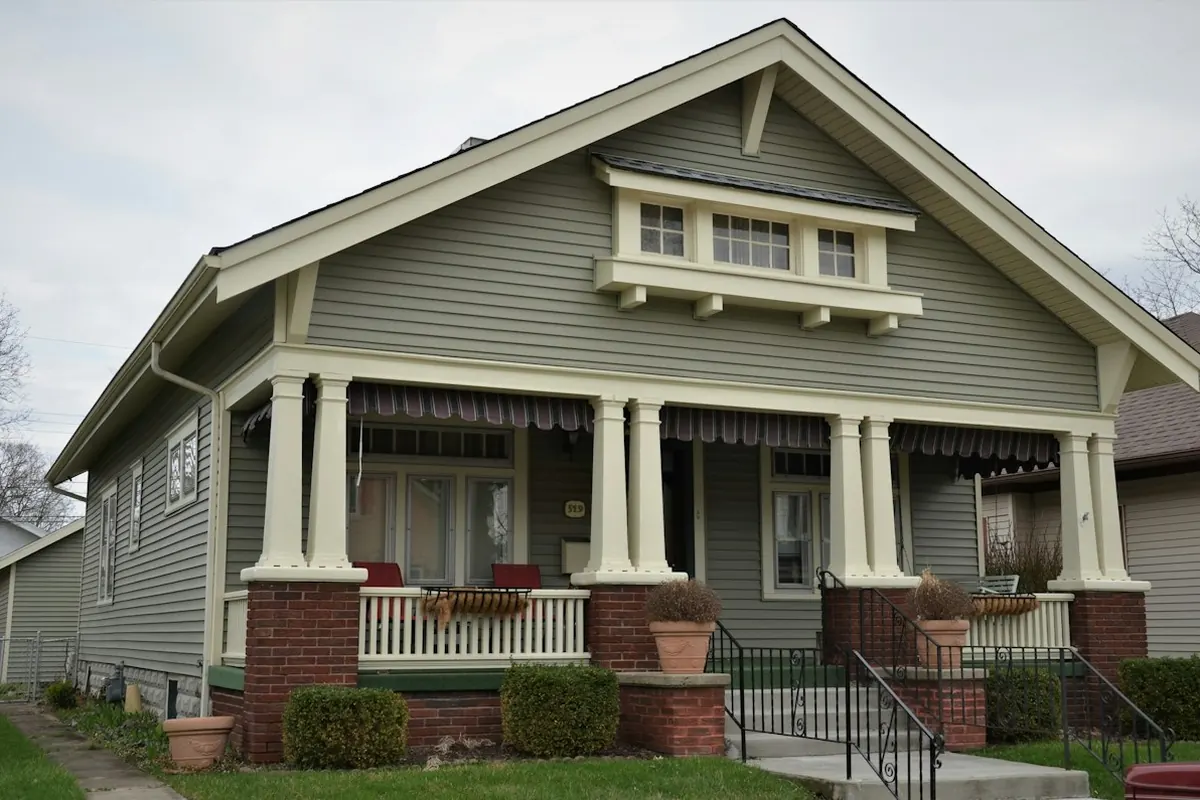
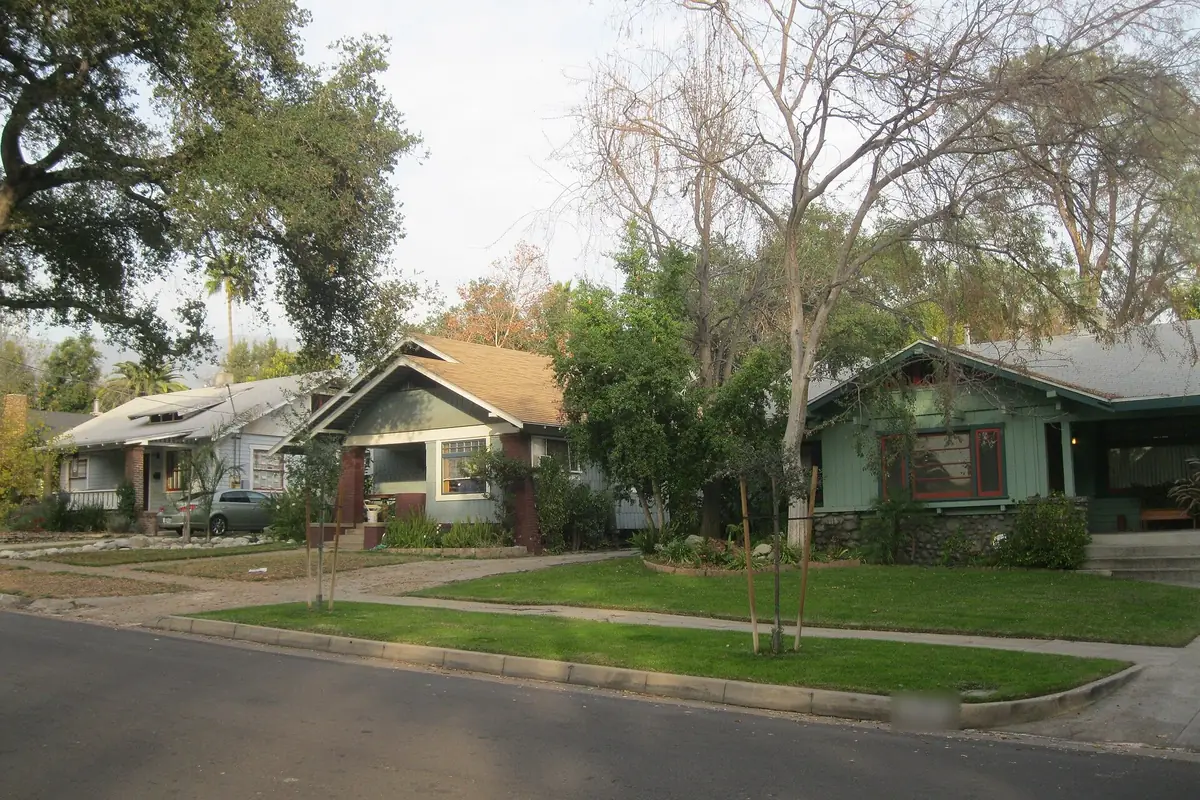
Bungalow Heaven became a City landmark district in 1989 and was listed on the National Register of Historic Places in 2008. Its more than 800 Craftsman homes were mostly built between 1900 and 1930, on lots with narrow drives running back to detached garages, front walks to deep porches, and parkways planted with street trees. A Bungalow Heaven owner replacing a cracked driveway or adding a stamped walkway should expect a design review step that an owner outside a district never sees.
| Project | Visible from the street? | What to expect |
|---|---|---|
| Replace a driveway in the same place and width | Yes | Ask Planning; in-kind work is usually simplest |
| Widen a driveway or add a curb cut | Yes | Historic review plus a Public Works permit |
| New or relocated front walk | Yes | Historic review likely |
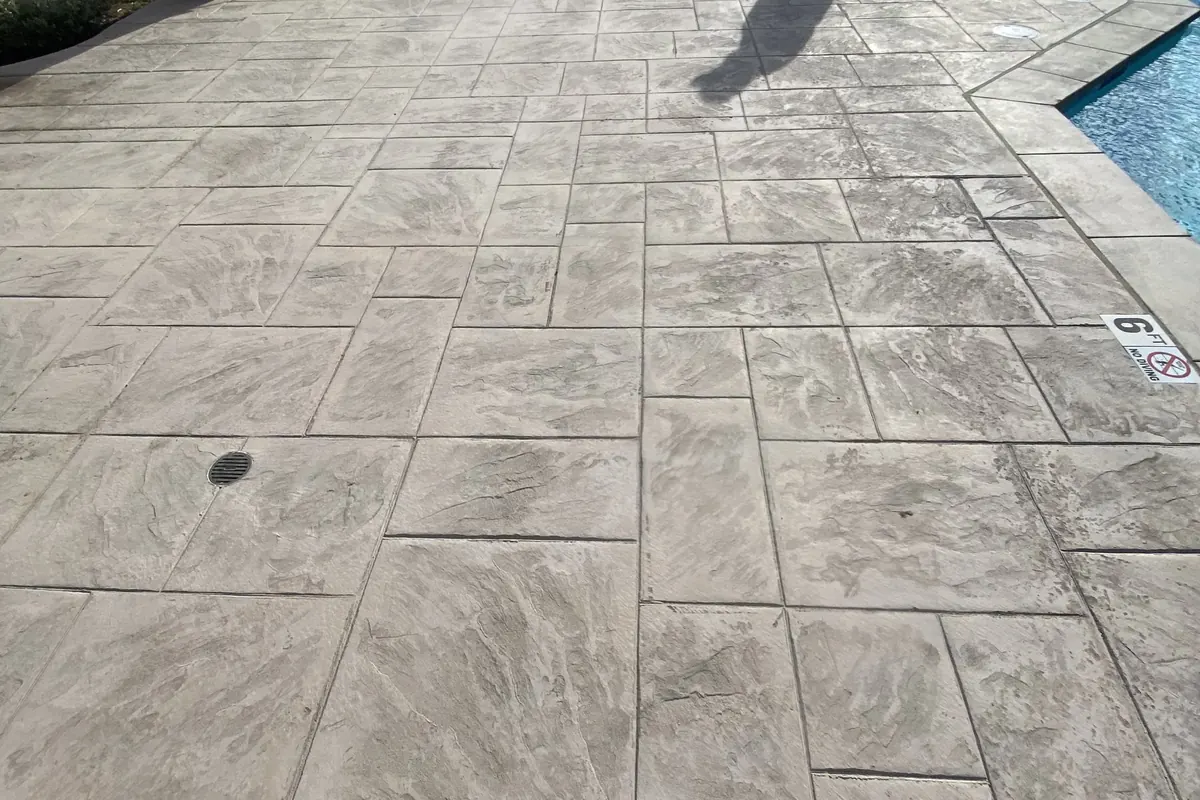
| Stamped or colored concrete at the front | Yes | Pattern and color may be part of the review |
| Backyard patio or pool deck | Often not | Ask Planning; the rule covers exterior alterations |
Swipe the table sideways to see every column →
This table summarizes what to expect, not a City determination. The City of Pasadena decides which work needs a Certificate of Appropriateness.
Designing concrete for a historic Pasadena home
The review asks whether a change fits the property's historic character. For concrete, that usually comes down to a few choices you control:
- Location and width: keep the original driveway and walk alignment where you can
- Finish: a broom finish or exposed aggregate in a muted color reads as period-appropriate on many Craftsman homes
- Pattern and color: stamped work at the front of the house is the most likely to draw questions
- Edges and borders: brick or a simple border can echo original materials on the house
- Trees: protect parkway and front-yard trees that are part of the streetscape
Spanish Revival and other styles
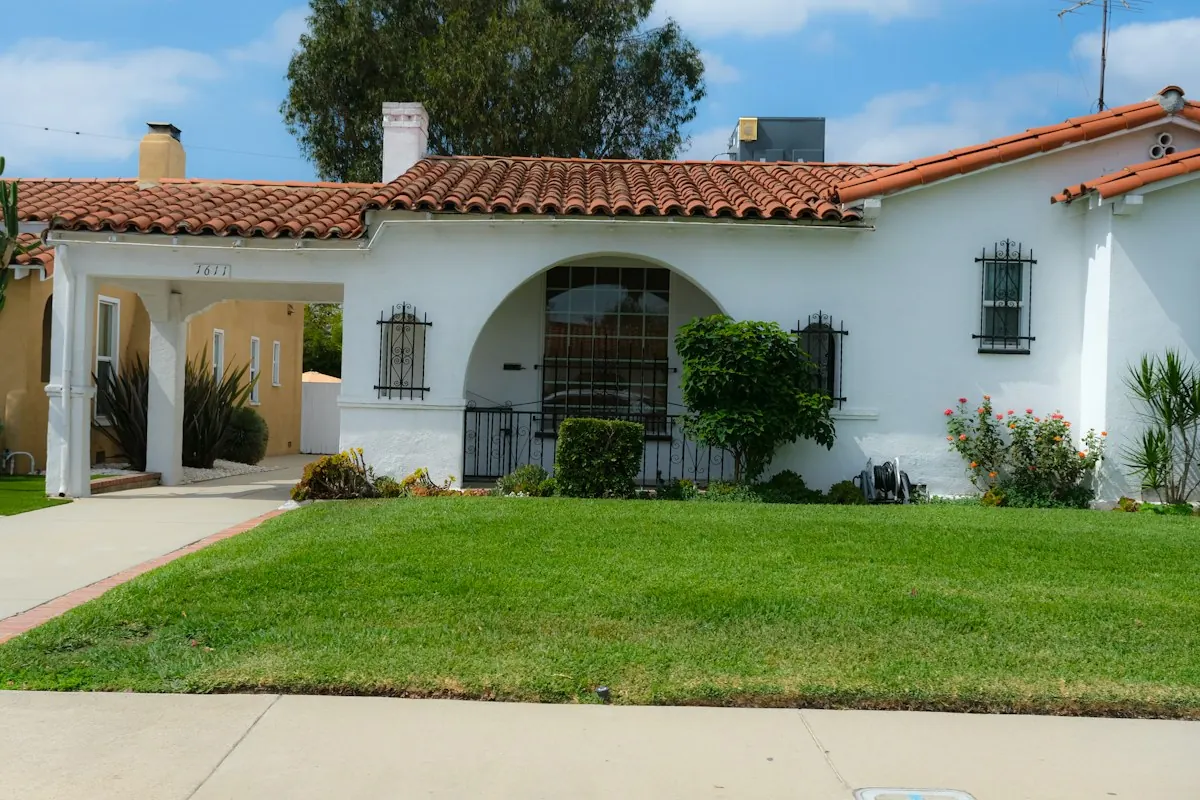
Not every historic Pasadena house is a Craftsman. Spanish Revival homes with clay tile roofs and arched entries often pair with terracotta-colored concrete or tile patterns, and the stamped concrete page covers those patterns. Bring photos and samples of what you want to Planning early.
How to start
- Ask Pasadena Planning whether your property is designated, in a landmark district, or considered eligible.
- Describe the concrete work with a simple site plan and photos of the current condition.
- Ask whether it needs a Certificate of Appropriateness and at what level: staff or the Historic Preservation Commission.
- If the work reaches the street, start the Public Works permit conversation at the same time; see the driveway permit guide.
- Build the review time into the schedule before booking the pour.
Related: a concrete driveway in Pasadena, a concrete patio, and concrete steps and walkways.